
How Much Does an ANPR Car Park System Cost?
A single lane staff car park with 40 spaces and no need to take payment can have ANPR fitted for a modest outlay. A large public scheme with 4 lanes, ticketed parking and a staffed enforcement desk can cost many times that for what looks like the same technology on paper. The difference has almost nothing to do with the camera itself and almost everything to do with the site built around it.
24 July 2026 / 7 min read
By Tim Marting, Head of International Business Development
How much does an ANPR car park system cost?
As indicative market context, a full ANPR car park setup can run from around £7,000 for a simple single lane site to well beyond £100,000 once a scheme spans several lanes with payment and enforcement, before the ongoing monthly software. Parka offers several ways to pay for that, so most operators put little to nothing down upfront.
Parka offers several ways to structure that spend, and the section on purchasing options further down walks through each one; the short version is that the structure follows the site, and the higher end of that range rarely arrives as a single upfront bill. If the number still looks daunting, our team can talk through a model that offsets the setup before you commit to anything.
The width of that range says more about the site than the equipment. A recognition camera reading plates at one gate is a modest purchase on its own. What changes the total is how many lanes there are, whether the site takes payment, and how much groundwork the location needs before anything gets switched on.
As a rough guide from industry pricing, a single lane site with one camera and a barrier and no payment to take sits at the lower end, around £7,000 to £12,000. Add a second lane so entry and exit are both read and the figure moves to roughly £15,000 to £30,000. A large public scheme with several lanes, payment machines and enforcement built in starts from around £30,000 and climbs into six figures on the biggest, most complex sites. The camera barely moves between those tiers. The site does.
We cover how the cameras themselves work, and what they can and cannot do on their own, in what ANPR cameras are and how they work. This guide is about cost rather than mechanics, so the rest of it breaks the number into its parts and the factors that push each part around.
What you are actually paying for
An ANPR car park system is rarely just a camera. Most quotes bundle recognition cameras, barriers, payment kit, signage and sometimes EV charging, plus the software subscription, the install and groundworks, and ongoing maintenance. Each line moves the total differently, and the site decides which lines apply.
Parka supplies the full suite, so an operator can pick only what a site needs. That runs from recognition cameras through barriers and access control, kiosks and payment machines, digital signage and EV charging, sold as one system rather than 5 separate purchases.
Underneath all of that sits the management software, which processes every plate read, runs the payment side and produces the reporting an operator actually checks day to day. It is billed monthly rather than bought once, because it keeps working for as long as the site does.
Install and groundworks cover cabling, ducting, power runs, mounting and network setup, and they vary with the site more than any other line. Maintenance and support keep everything running once the install team has gone. Ask exactly what maintenance and support cover before comparing two quotes, since this is where similar sounding numbers start to diverge.
| What you are paying for | What it does | How much it moves the price |
|---|---|---|
| Recognition cameras | Reads number plates at entry and exit | Usually a smaller line than people expect, roughly £600 to £1,200 for a basic unit and around £3,000 to £5,000 for a dedicated ANPR camera |
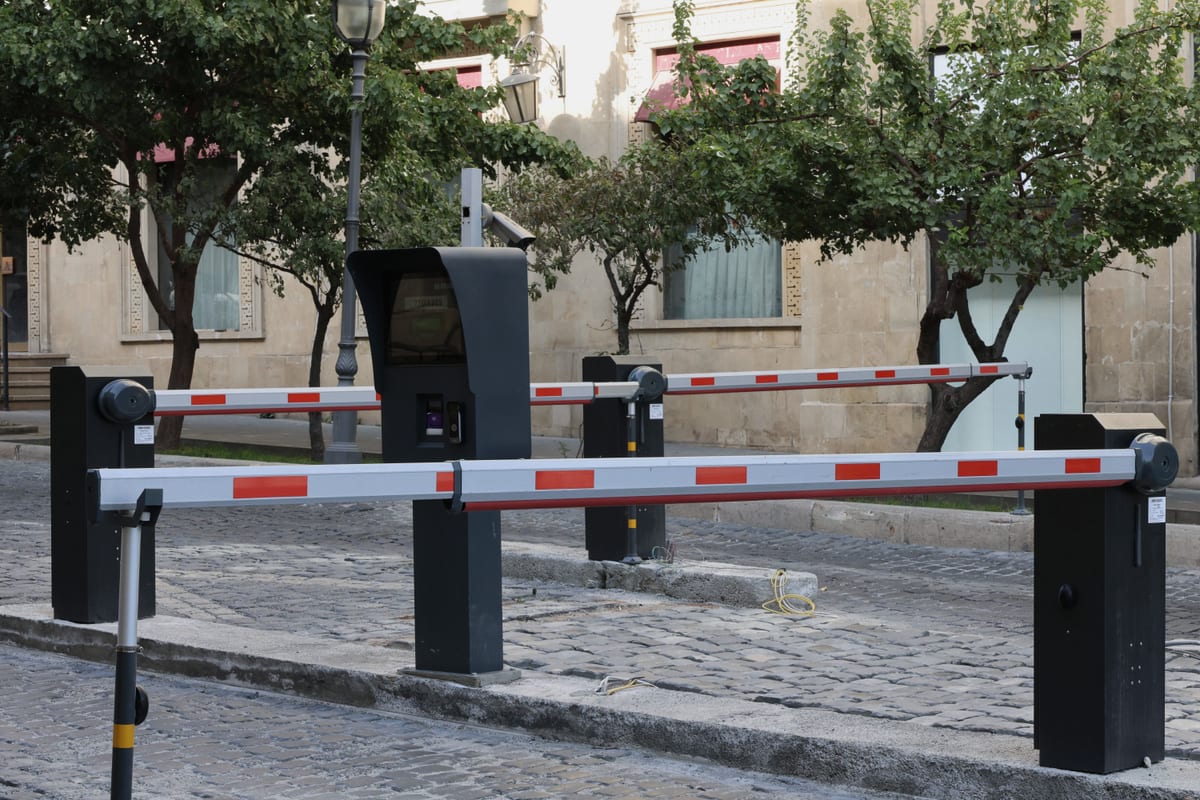
| Barriers and access control | Physically controls who enters and exits a lane | Roughly £1,500 to £4,000 installed per lane, and it scales with the number of lanes |
| Kiosks and payment machines | Lets drivers pay without a ticket, a barrier or a member of staff | One of the larger lines on any site that takes payment, and it scales with how many machines you need |
| Digital signage | Shows tariffs, space counts and wayfinding | Usually a smaller optional line, more about the driver's experience than a necessity |
| EV charging | Adds charging points and a new revenue stream | Can be the biggest single item if you add several chargers, though it earns its own way |
| Management software | Runs the reads, the payments and the reporting | Ongoing every month, roughly £30 to £80 a month for cloud management, not a one off cost |
| Install and groundworks | Cabling, ducting, mounting, power and network setup | One off, but varies with the site more than any other line |
| Maintenance and support | Servicing, callouts and keeping the system running | Ongoing, roughly £500 to £1,500 a year, and worth checking is included before comparing quotes |
What moves the price up or down
Several site factors swing the total more than the brand of camera: the number of entrances and lanes, whether you need a dedicated ANPR camera or a general one will do, whether the site takes payment, the state of the power and network, and any integrations with existing systems. Software is billed monthly throughout.
The number of lanes is the simplest lever. Every additional entrance or exit needs its own camera, its own barrier or access point, and often its own power and network run, so a 4 lane public site will always cost more to fit out than a single lane staff car park.
A general purpose IP or CCTV camera is a different class of kit from a dedicated ANPR unit. As indicative market context, a budget camera runs roughly £600 to £1,200, while a dedicated ANPR camera sits higher, around £3,000 to £5,000, because it needs to read plates reliably in poor light, at speed and at an angle. It is rarely the largest line on the quote even so.
A ticketless site that simply logs entry and exit is the cheapest configuration. Add kiosks and payment machines so drivers can pay on site, and the bill grows, though so does the revenue the site can collect. A driver can also pick their site in the Parka app rather than relying only on a plate read at the gate.
Integrations with an existing barrier system, a council permit scheme or a finance system all add engineering time. None of that shows up as a hardware cost, and none of it is a one off either, because the software behind it all is billed every month for as long as the site runs.
See it working on a real site
Book a short demo and we can show you the platform running on a live car park, not a slide deck.
Book a demo →The cost most quotes leave out
Running ANPR lawfully has its own ongoing cost, separate from the hardware. Keeper data for unpaid charges flows only to accredited operators, that accreditation carries membership and audit costs of its own, and the privacy groundwork and signage complete a proper setup.
Membership of one of the two recognised accreditation bodies is part of running ANPR properly, not an afterthought: DVLA keeper data flows only to operators who hold membership and follow the code that comes with it. How to verify a supplier's standing before signing is covered in our guide to choosing a car park management company.
That membership goes hand in hand with the standard privacy groundwork and clear signage telling drivers what is happening and why. None of this is difficult, and most operators treat it as a normal part of setting a site up properly.
Building this into the timeline alongside the hardware saves time later, since the compliance work runs in parallel with the install rather than after it. Most operators fold it into the same project rather than treating it as a separate task.
How operators actually pay for it
Most operators do not pay for an ANPR system outright. Parka offers renting the hardware and software, buying it outright, a revenue share on paid transactions, or a flat fee, and structures the deal so Parka earns when the car park earns, not before it does.
Parka built its purchasing options around one idea: a car park should not have to find a lump sum before it can improve. Renting the hardware and software keeps the upfront number small. Buying outright suits an operator who wants to own the estate. A revenue share or a flat fee sit in between, and each spreads the cost differently.
Doing everything yourself, buying every camera, barrier and machine outright and running the software in house, adds up fast once you count the equipment, the install and the ongoing support, and it puts every one of those risks on your own desk. Most operators find it easier to let someone else carry that risk while they run the car park.
We go into the mechanics of this in how a no upfront setup is actually funded, including how a revenue share is calculated and what it changes about who owns the equipment.
How to compare ANPR quotes fairly
Two ANPR quotes rarely cover the same ground. Check what is included versus what is extra, whether costs are one off or ongoing, who owns the hardware, the monthly software fee, who handles keeper data and compliance, and what maintenance and support actually cover before comparing any two numbers.
What should a quote actually tell you before you sign it? Start with what is included. A quote built around a single camera looks cheap next to one that lists cameras, barriers, kiosks and signage, even though the second one may be pricing the whole site properly.
Separate the one off items from the ongoing ones. Hardware, install and groundworks are largely one off. Software, maintenance and support are not, so a low headline figure with a high monthly fee can cost more over 3 years than a higher figure with a lower one.
Ask who owns the hardware at the end of the arrangement, and how keeper data and compliance are handled, including which accreditation body the operator answers to. Finally ask what maintenance covers in practice, whether that is a callout number or a proper service plan, since this is where quotes that look identical on day one start to differ.
Common questions
Is the camera the most expensive part of an ANPR system?
No. A dedicated ANPR camera costs more than a general purpose one, but on most sites the barrier, payment equipment, groundworks and ongoing software add up to more than the camera itself. The camera reads the plate; the rest of the site is what usually drives the total cost.
Can we start an ANPR car park without paying for everything upfront?
Yes. Options include renting the hardware and software, a revenue share on paid transactions, or a flat fee, alongside buying outright for operators who prefer to own the equipment. Most operators choose an option that keeps the upfront cost low and lets the car park's own income cover it over time.
Does the software cost anything on top of the hardware?
Yes, the management software that runs the cameras, payments and reporting is billed monthly, on top of any upfront hardware cost. Ask any supplier for that monthly figure early, since it runs for as long as the site operates and affects the true cost more than people expect.
Do we need anything besides the ANPR system to enforce unpaid parking charges?
Yes. To pursue an unpaid charge you need the registered keeper's details, and DVLA releases those only to accredited operators bound by an industry code. A privacy assessment completed before the cameras go live and clear signage are the other parts of running this properly.
More insights
Your sites already have the answers
A 30 minute demo shows the occupancy, payment and enforcement picture your car parks generate every day.